Our client is a location-based lifestyle app that helps people find nearby bar and restaurant promos, happy hours, and local events in real time. Users can browse what’s happening right now, save favorites, and get notified about offers and events.
The app was live in a handful of US markets (a “city by city” rollout), which meant we had to be smart about targeting and creative relevance by location.
Goals
1. Increase App Installs while keeping efficiency tight
2. Lower Cost Per Install (CPI) to create room to scale
3. Improve Click Costs (CPC) to feed cheaper traffic into the install funnel
4. Increase Daily Spend without breaking performance
Tracking
We treated tracking like the foundation, not an afterthought.
What we focused on:
– Meta SDK to optimize toward installs.
– Clean campaign structure so conversion data wasn’t split into tiny pockets.
– Consistent naming + asset hygiene so we could actually read results and make confident decisions.
Our Method
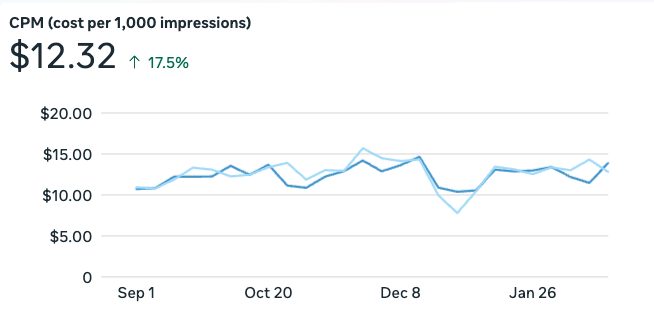
1. We didn’t scale into the worst CPM season
We started running ads in September, right as CPMs typically rise and attention shifts toward Halloween plans and then Black Friday and holiday shopping.
Instead of forcing scale (and paying premium CPMs for distracted attention), we held back on aggressive budget increases and used this period to strengthen the account.
2. We cleaned up and consolidated the account
Two big fixes:
-
Campaign + ad set consolidation where it made sense, to concentrate conversion data into fewer “streams.” We utilized the CBO budget settings on all campaigns.
-
Asset cleanup (headlines, primary text, CTAs) to unify messaging and make tests readable.
This is the unsexy part that usually creates the biggest lift later.
3. We used static testing to “discover” the winning angles
The client initially relied heavily on static images + motion graphics, with no real video/UGC pipeline.
So we ran structured tests:
– Static images vs motion graphics
– Multiple hooks (benefit-led, social-led, urgency-led)
– Multiple callouts (nearby deals, tonight plans, discover new spots, etc.)
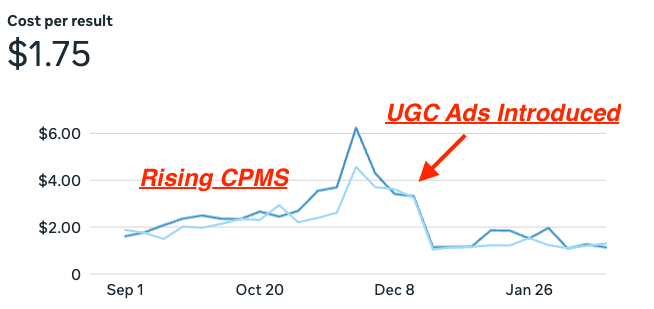
4. We built UGC that matched what was already working
Once we had clear winners, we moved into UGC in phases:
UGC Phase A: Founder-style ad (best performer)
We used a trending, attention-grabbing structure (pattern interrupt opener) and delivered a quick “here’s what this app does for you” payoff.
UGC Phase B: Younger creator content
We sourced creators who naturally matched the core audience vibe, so the ads felt like a friend’s recommendation rather than a brand announcement.
UGC Phase C: AI-assisted UGC tests
We tested AI UGC variants to expand volume and reduce creative bottlenecks, and it further reduced cost per conversion.
Results
-
App Installs: +141%
-
Cost Per Install: -59%
-
Average CPC: -56%
-
Daily Budget: +130%
Final Thoughts
This win came from doing the basics exceptionally well—during the exact time most advertisers panic and overspend.
If you’re promoting an app with seasonal CPM pressure, here’s the playbook:
-
Don’t force scaling into peak CPM chaos
-
Consolidate structure so Meta learns faster
-
Use static tests to find hooks before filming anything
-
Build UGC around proven angles (founder + creator + AI variants)
-
Scale only when the account is “clean” and repeatable